
A leading arbitration body is calling for sweeping changes to how documents are handled in international disputes, warning that excessive requests are driving up costs and undermining efficiency.
In a newly released whitepaper, the User Council of the Swiss Arbitration Association (ASA) argues that document production — once a routine feature of arbitration — has grown into a major procedural burden. The report, titled “Taming the Beast: A Whitepaper on Document Production,” highlights how expansive requests for evidence have contributed to delays, rising legal expenses, and increasing dissatisfaction among parties.
The paper points to a notable trend: more parties are turning to expedited arbitration procedures that often eliminate document production altogether. While faster, such approaches can limit the depth of fact-finding, raising questions about fairness in complex cases.
To address the issue, the ASA User Council recommends a stricter, more disciplined approach. Parties and arbitral tribunals, it says, should make greater use of existing procedural tools to narrow document requests to only those that are strictly necessary. It also encourages the use of carefully drafted contractual clauses at the outset of disputes to preempt excessive disclosure demands.
The report acknowledges the growing role of artificial intelligence in streamlining document review but cautions that technology alone cannot solve the problem. Instead, it emphasizes that meaningful procedural reform will be essential to preserving arbitration’s reputation as a faster, cost-effective alternative to litigation.
The findings reflect broader concerns within the arbitration community about balancing thoroughness with efficiency — a tension that continues to shape the evolution of dispute resolution worldwide.
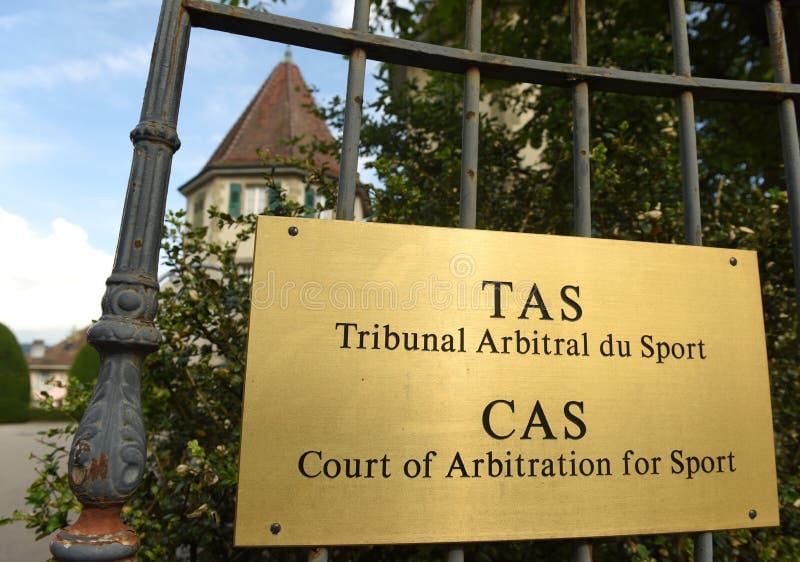
The Court of Arbitration for Sport announced
in a decision issued September 16, the Paris Court of Appeal rejected an attempt by Société Nationale d’Électricité and the Democratic Republic of the Congo